Types of places
Library Maker Labs
Updated June 11, 2026
The most underused maker resource in America is the public library. Hundreds of systems now run maker labs with 3D printers, vinyl cutters, sewing machines, recording studios, and sometimes laser cutters — free or nearly free with the card you already qualify for.
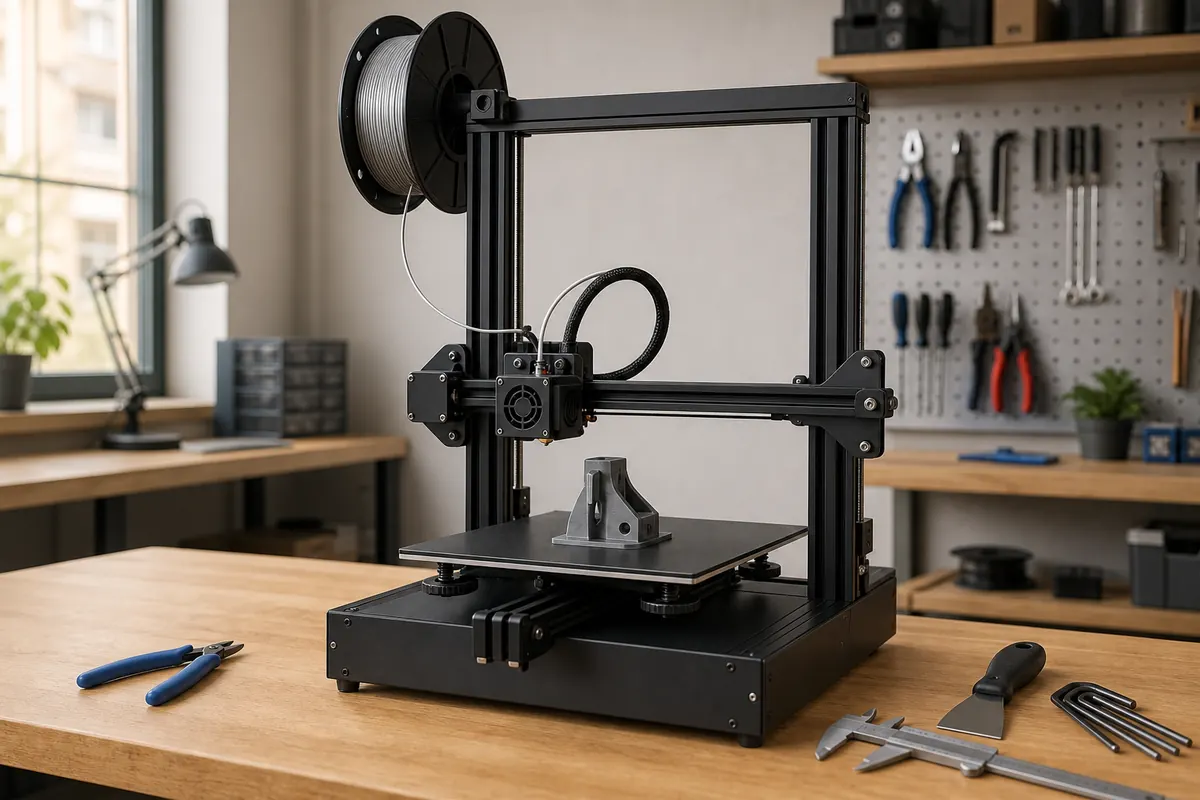
What library labs typically offer
- Nearly universal: 3D printers (submit a file, pay cents-per-gram or nothing), vinyl cutters, button makers, basic craft equipment.
- Common: sewing and embroidery machines, Cricut-style cutters, media labs with recording booths and video equipment, kids' robotics kits.
- The lucky branches: laser cutters, soldering benches, podcast studios, large-format printers. Central/main branches usually have the deep equipment.
How access works
The standard model: free with a library card, after a short orientation or online certification for each machine. Sessions are typically bookable in 1–2 hour blocks, and 3D prints often run as a submit-and-pick-up queue rather than live machine time. Costs, where they exist, are materials-only — per gram of filament, per sheet of vinyl.
The honest limitations
Queues can run days at busy branches. Session caps make multi-hour projects awkward. Equipment is chosen for durability over capability, staff are librarians first and shop techs second, and material choices are conservative. A library lab is a perfect on-ramp and one-off-project venue — it is not a substitute for a makerspace once you're building weekly. The right way to think about it: the library is where you discover whether a tool matters to you, for free, before any membership decision.
How to find yours
Library labs are terribly indexed by search engines. Go directly: your library system's website under “services” or “maker,” the event calendar (orientation classes reveal what equipment exists), and one phone call to the central branch asking “which branches have maker equipment?” Many systems also lend things beyond the lab — tools, sewing machines, telescopes, museum passes — under “Library of Things.” See also tool libraries, which take that lending model to a full workshop's worth of tools.
Families: start here, full stop
For kids, library labs beat every paid option for the first year: free, patient staff, equipment sized for learning, and youth programs that hand your kid a robotics kit with zero commitment. Pair a library lab with a structured program — creative learning organizations like OCreate run project-based maker education — and you've covered both free access and real instruction. More in family-friendly makerspaces.
Frequently asked questions
Is 3D printing at the library really free?
Frequently yes, or a small materials fee of a few dollars per part. The trade is queue time — your print may take days to come up at a busy branch. For learning and one-offs it's unbeatable; for iteration it's slow.
Do any libraries have laser cutters?
A growing number — usually at central branches, behind a required certification class. If your system has one, it's likely the cheapest laser access in your city. Check the event calendar for 'laser certification' to find out fast.
Can adults use library maker labs or are they for kids?
All ages. Youth programs get the marketing, but the labs themselves serve adults — many run adult-specific workshops in sewing, 3D design, and audio recording. Don't let the children's-section vibe of the word 'library program' put you off.
What should I bring to a library lab session?
Your files on a USB drive (don't assume cloud access), material if the lab allows your own, and a written plan for the session — caps are usually 1–2 hours and setup eats fast.