Tool access
Where Cosplay Makers Can Find Tools
Updated June 11, 2026
A single competition-level costume can touch six disciplines: foam fabrication, sewing, 3D printing, molding, painting, and LED wiring. No hobby benefits more from shared shops — and no hobby outgrows a kitchen table faster.
Map your build to the places that have the tools
| Costume component | Tools you need | Where to find them |
|---|---|---|
| Foam armor | Heat gun, belt sander, ventilated gluing area | Makerspace, garage co-ops |
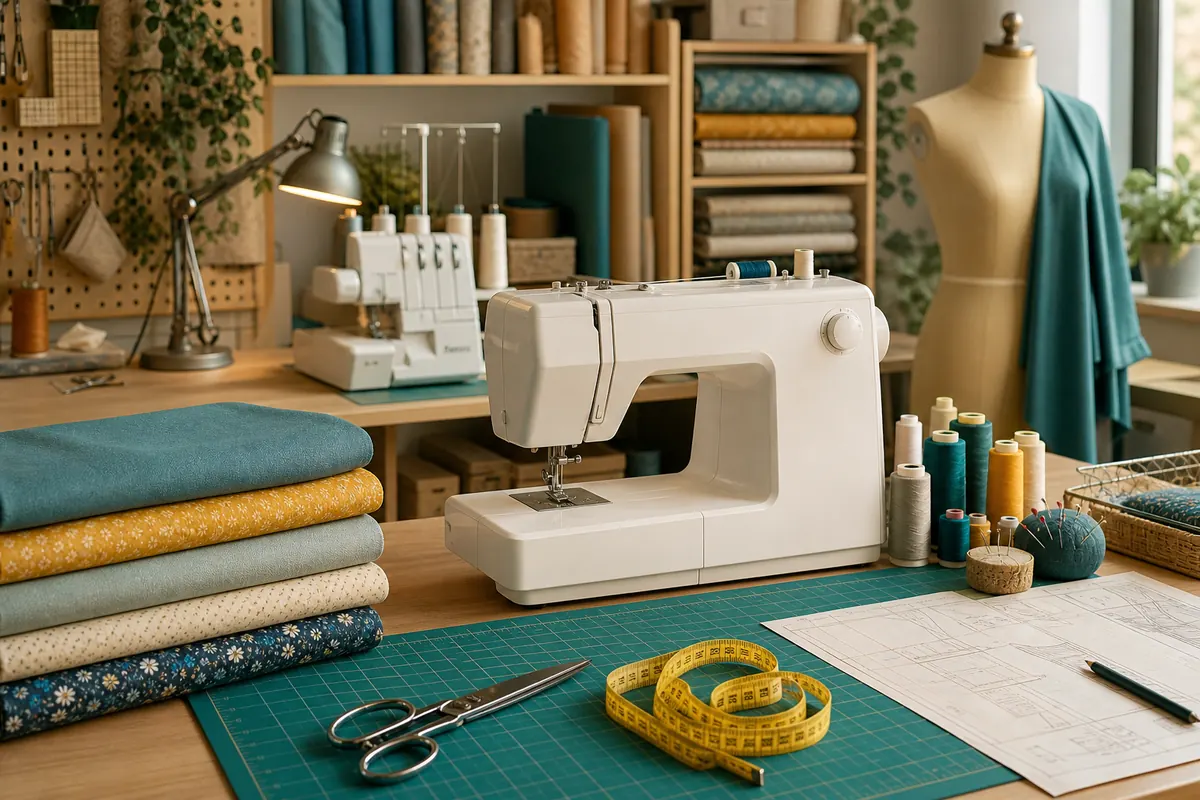
| Fabric and capes | Sewing machine, serger, big cutting tables | Sewing studios, makerspaces |
| Props and accents | 3D printer, laser cutter | Makerspaces, library labs |
| Helmets and molds | Resin area with real ventilation | Better-equipped makerspaces only — ask first |
| LEDs and sound | Soldering bench | Electronics benches, hackerspaces |
| Painting | Spray booth | Makerspaces with finishing rooms |
The two questions that matter on a cosplay tour
“Where can I work with contact cement and resin?” Foam fabrication runs on solvent glues, and resin casting needs serious ventilation. Spaces vary from a dedicated ventilated room (great) to “outside by the dumpster” (workable) to a blank stare (keep looking).
“Can I leave a work in progress?” Costumes are bulky and built over months. Project storage — and what it costs — matters more for cosplay than for any other membership. A cheap membership with no storage can lose to a pricier one where your half-built armor lives between sessions.
The cosplay community is an access network
Local cosplay groups (find them through cons, Discord, and Instagram) are informal tool libraries: someone has the airbrush, someone has the serger, someone's garage has the foam wall. Build nights are real and welcoming. Joining the community often solves access faster than joining a space — and tells you which local space the experienced builders actually use.
Deadline math is cosplay math
Every cosplay project has an immovable deadline: the con. Work backward from it. Machine reservations fill before big regional cons, paint needs cure days, and the laser checkout class you haven't taken yet is two weeks out. If the con is in six weeks and you need three tools you're not certified on, this is the build where you pay a class or service to bridge the gap.
Frequently asked questions
Do makerspaces welcome cosplayers?
Increasingly, yes — cosplayers are heavy, enthusiastic users and many spaces now run costume-focused workshops before big cons. Tour with photos of your planned build; staff light up at concrete projects.
Where can I 3D print costume armor pieces?
Library labs for small pieces (free, slow queues), makerspaces for big multi-part prints (faster, larger beds, helpful members for the post-processing questions). Helmets usually print in sections and need finishing — budget as much time for sanding as printing.
What about working with EVA foam at home?
Cutting and shaping foam at home is fine; contact cement and heat-sealing want ventilation you probably don't have. A common split: rough-cut foam at home, do glue-up and finishing at a ventilated shared space.
Is an airbrush worth buying or borrowing?
Borrow or use a shop booth first — airbrush skill is the hard part, not the hardware. Once you can lay smooth coats, an entry compressor-and-brush kit is a reasonable buy that fits an apartment.