Tool access
Sewing and Textile Labs
Updated June 11, 2026
Textile access hides under more names than any other maker discipline: sewing lounges, quilt shops with classrooms, fashion-program labs, costume guilds, fiber arts studios. If you search only “makerspace,” you'll miss most of it.
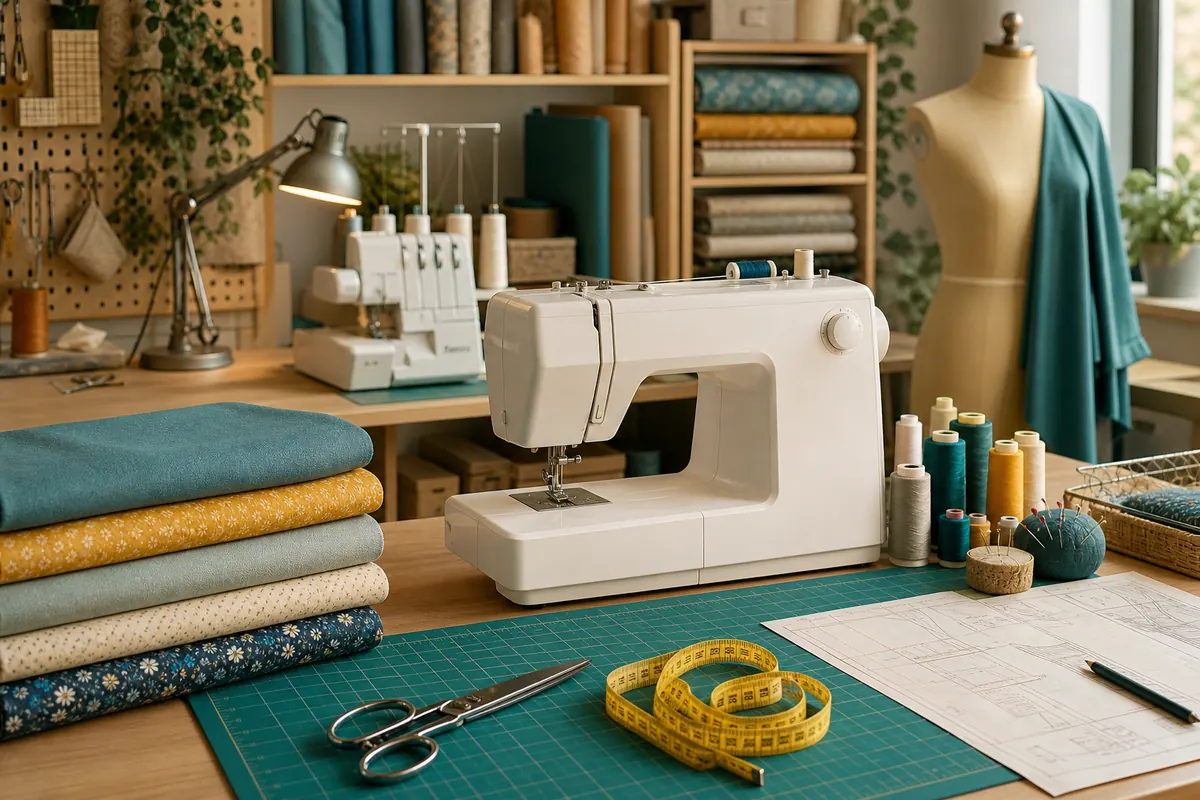
Search past the word “maker”
Try these searches with your city: “sewing studio,” “sewing classes,” “quilt shop classes,” “fashion incubator,” “costume guild,” “fiber arts center,” “alterations classes.” Fabric and quilt shops are the unsung access point — many have classroom machines, open-sew nights, and staff who teach. The vocabulary problem is worst in textiles, which means the searchers who solve it find uncrowded, excellent spaces.
What each kind of place offers
| Place | What you get | Watch for |
|---|---|---|
| Sewing lounges / studios | Hourly machine rental, classes, sergers | Hourly costs add up on long projects |
| Quilt and fabric shops | Classes, open-sew nights, community | Machines may be class-only |
| Makerspaces | Sewing corner + the rest of the shop (laser, 3D) | Textile gear is often the least-maintained corner |
| College fashion programs | Industrial machines, pattern tables, real instruction | Enrollment required |
| Library labs | Free basic machines, sometimes embroidery machines | Session limits, beginner-level gear |
The machines worth leaving home for
A reliable home sewing machine costs $150–$300, so shared access matters most for the expensive specialists: sergers (clean knit seams), coverstitch machines (athletic hems), embroidery machines (digitized designs), longarm quilting machines (quilt shops rent time on these), and industrial straight-stitch machines (leather, canvas, webbing). Renting time on a $6,000 longarm beats buying one in every scenario short of opening a quilt business.
Textiles meet the rest of the shop
The interesting projects happen where the sewing corner meets the machine room: laser-cut felt and leather, 3D-printed buttons and buckles, CNC-cut foam, embroidered patches on laser-cut backing. If your projects lean costume or props, see where cosplay makers find tools — that guide covers the multi-tool workflow. A full makerspace membership starts beating a sewing studio the moment your projects need a second discipline.
Frequently asked questions
Can I rent time on a sewing machine instead of buying one?
Yes — sewing lounges and studios in most metros rent machine time hourly ($10–$25/hr typically, often with the first orientation class required). For occasional sewing it beats owning; for weekly sewing, a used home machine pays for itself fast.
Where can I use a serger without buying one?
Sewing studios, college fashion labs, and better-equipped makerspaces. Sergers are exactly the machine to try shared first — threading one is the skill, and having someone demonstrate beats any video.
Do makerspaces have good sewing equipment?
Honestly, it varies more than any other station. Some have industrial machines and cutting tables; some have one donated machine from 1985. Inspect the textile corner specifically before joining for it, and ask who maintains the machines.
What about embroidery machines?
Check quilt shops, sewing studios, and libraries — embroidery machines are increasingly common in all three. You'll usually need a short class on hooping and file formats (PES/DST), then pay per session or materials.